How Insurance Companies Evaluate Vehicle Security in 2026
Vehicle theft methods continue to evolve as modern cars rely more heavily on digital systems and connected technology. Because of this shift, insurers are changing how they assess risk and determine premiums. Understanding Vehicle Security in 2026 is therefore becoming essential for car owners who want to protect their vehicles and maintain affordable insurance coverage.
In the past, insurance companies primarily looked at basic anti-theft systems such as factory immobilisers or alarms. Today, their approach is much broader. Insurers evaluate how vehicles are protected against modern threats such as keyless relay attacks, electronic hacking, and organised theft networks. These factors all play a role in how Vehicle Security in 2026 is assessed when determining policy terms.
Why Vehicle Security in 2026 Matters to Insurance Companies
Insurance providers calculate premiums based on risk. As vehicle crime becomes more technologically advanced, insurers must carefully evaluate how well vehicles are protected against modern theft methods. This is why Vehicle Security in 2026 is no longer limited to factory installed systems.
Modern vehicles contain advanced electronics, wireless entry systems, and digital networks. These innovations provide convenience but also create potential vulnerabilities. Insurers therefore analyse several security layers before determining coverage.
Electronic Vulnerabilities and Vehicle Security in 2026
Electronic Vulnerabilities
Connected vehicle systems have created new entry points for criminals. Insurance companies are increasingly aware of how cyber related risks affect Vehicle Security in 2026, particularly for vehicles equipped with keyless entry or remote connectivity.
Keyless Relay Attack Risks
Relay attacks allow thieves to intercept signals from keyless car keys. These attacks can unlock and start vehicles without the owner physically handing over the key. Insurers consider how vulnerable a vehicle model is to this method when assessing Vehicle Security in 2026.
CAN Bus Exploits
Another growing concern involves CAN bus manipulation, where criminals access the vehicle’s internal network to unlock doors or disable security systems. Understanding these risks helps insurers evaluate how well a vehicle’s design supports strong Vehicle Security in 2026.
Remote Hacking Possibilities
Connected vehicles can sometimes be targeted through wireless interfaces or onboard software vulnerabilities. As these risks grow, insurers include digital resilience as part of their overall Vehicle Security in 2026 assessment.
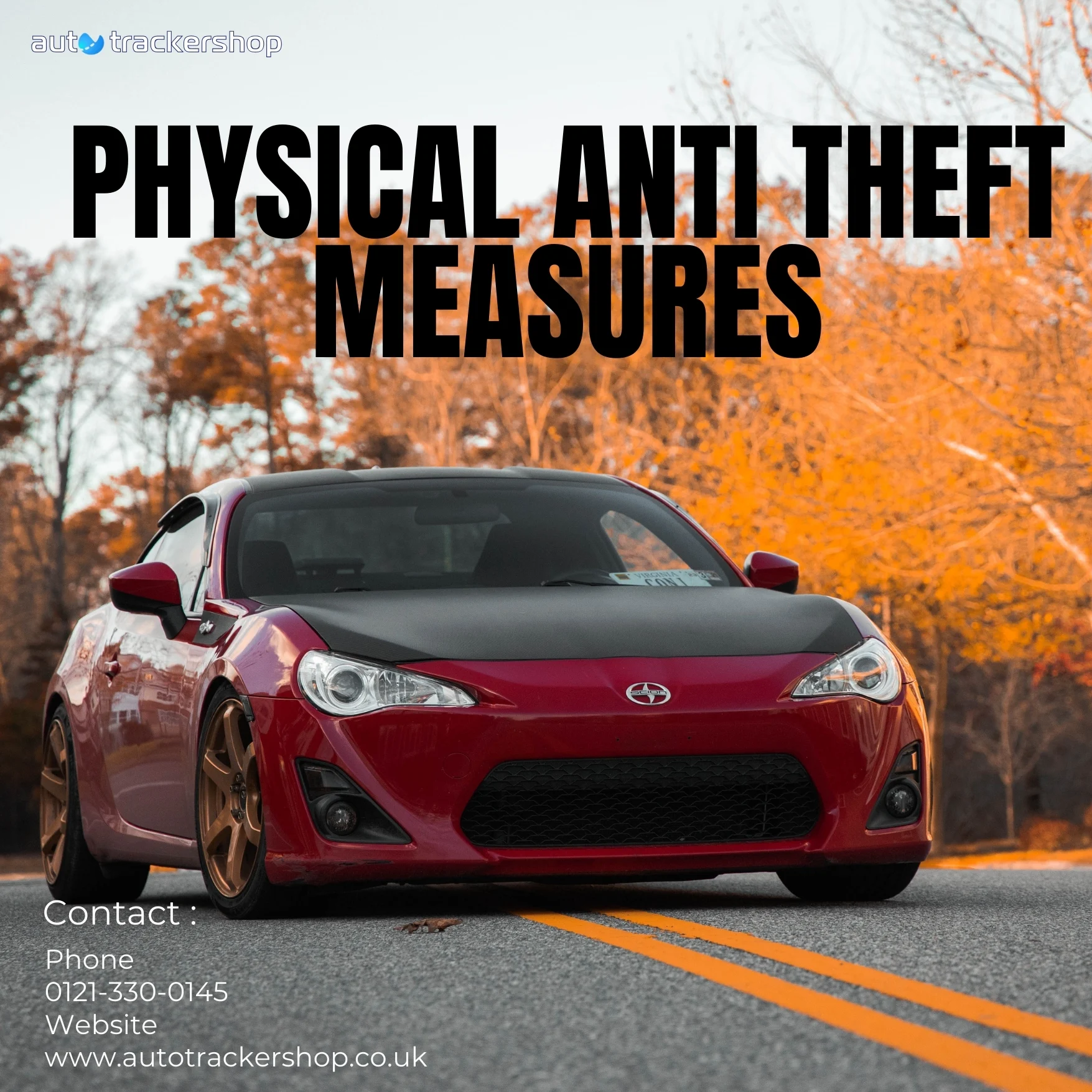
Physical Anti Theft Measures
While digital risks are increasing, traditional security still plays an important role in preventing theft.
Steering Locks and Visible Deterrents
Visible security devices such as steering locks can discourage opportunistic criminals. Insurance providers often view these deterrents as supportive measures within broader Vehicle Security in 2026 strategies.
Secure Parking and Environmental Factors
Parking location is another factor insurers evaluate. Vehicles parked in well lit, monitored areas are generally considered lower risk compared to those left overnight in isolated locations.
Vehicle Tracking Technology
Tracking systems allow stolen vehicles to be located and recovered more quickly. Insurance companies may consider the presence of tracking technology as part of a vehicle’s overall security profile.
A Professional Install Makes All the Difference
Vehicle manufacturers implement different levels of built in protection. Insurance companies often reference independent security ratings and manufacturer systems when evaluating vehicle risk.
Factory Immobiliser Systems
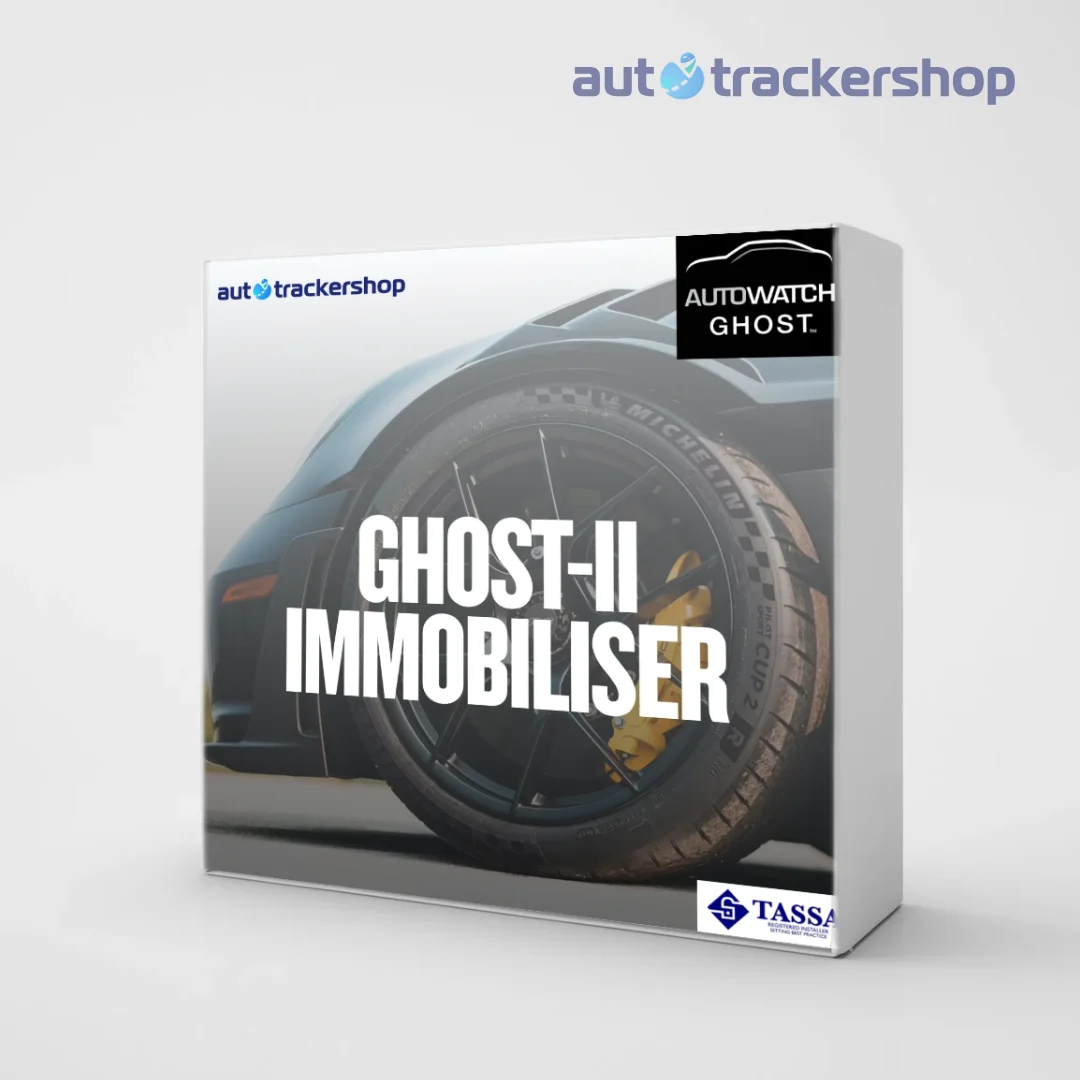
Most modern cars include factory immobilisers that prevent engines from starting without the correct key authentication. These systems remain a fundamental component of Vehicle Security in 2026.
Safeguard Your Business Assets and Your Peace of Mind
Drivers should consider combining multiple layers of protection rather than relying on a single system. Electronic protection, visible deterrents, and secure parking habits together create stronger Vehicle Security in 2026.